
What Are Sleep Studies and Why Are They Important?
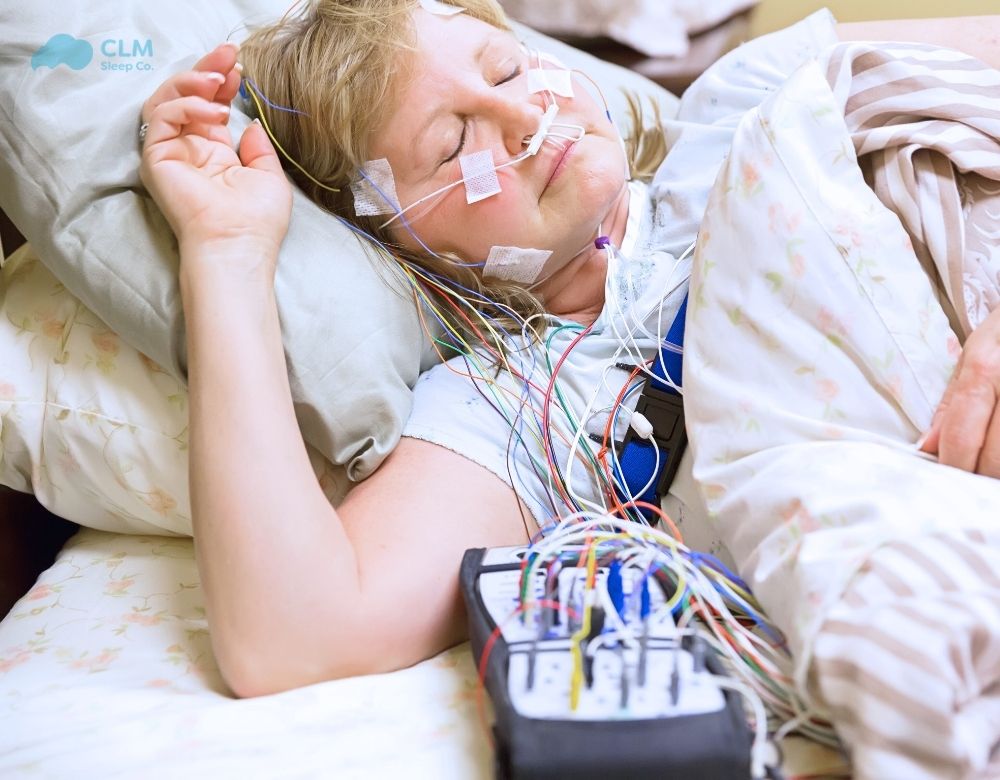
Sleep studies are medical tests that monitor your body while you sleep to identify disorders affecting your health and daily life. These assessments track various factors such as breathing patterns, oxygen levels, heart rate, brain activity, and body movements throughout the night. By analyzing this data, doctors can diagnose conditions like sleep apnea, restless leg syndrome, and other sleep-related breathing disorders.
Why Are Sleep Studies Important?
Understanding the Hobart Sleep Study Cost is important because the significance of these studies goes beyond just improving sleep quality. Undiagnosed sleep disorders can lead to serious health issues such as cardiovascular disease, type 2 diabetes, depression, and cognitive impairment. In fact, individuals with untreated sleep apnea face a significantly higher risk of strokes and heart attacks, making timely and affordable access to testing essential.
Why Are Sleep Studies Costly in Hobart?
The cost of sleep studies in Hobart has historically been a barrier for many residents in Tasmania who are seeking diagnosis and treatment. Private sleep studies can range from several hundred to over a thousand dollars, which can create financial stress for individuals and families already dealing with health concerns. This pricing includes expenses for specialized equipment, trained sleep technicians, facility costs, and physician analysis time.
Many Tasmanians delay or avoid seeking help for their sleep problems because of these cost concerns. As a result, potentially dangerous conditions may worsen over time. The gap between the medical need for sleep studies and their affordability has left vulnerable populations without access to necessary diagnostics.
How Can Understanding Sleep Study Costs Help?
Understanding the costs associated with sleep studies in Hobart can help residents find affordable options through bulk-billing programs. By knowing about Medicare-funded alternatives, eligibility requirements, and the actual process involved in getting a sleep study done, residents can gain clarity around pricing. This knowledge empowers them to pursue timely diagnoses without worrying about financial burdens so that their health decisions aren’t impacted by economic circumstances.
What Factors Influence the Cost of Sleep Studies in Hobart?
The cost of sleep studies in Hobart can vary based on several factors, including the type of service, location, and payment method chosen. The main difference lies between private fee-for-service arrangements and bulk-billed Medicare options, which can mean the difference between paying hundreds of dollars or nothing at all.
Typical Expenses in Sleep Studies
Private sleep studies in Hobart typically include several cost components:
- Equipment rental or facility fees for monitoring devices ranging from $200 to $500
- Physician interpretation and reporting adding another $300 to $600
- In-lab polysomnography studies requiring overnight stays at specialized facilities exceeding $1,000 due to staffing costs and sophisticated monitoring equipment
Home-based studies generally cost less than laboratory testing because they eliminate facility overheads. Patients receive portable monitoring devices that track essential sleep metrics without requiring clinical supervision throughout the night.
Private vs. Bulk-Bill Options
Private sleep studies operate on a fee-for-service model where patients pay upfront or receive invoices after service completion. These services may offer:
- Shorter waiting periods for appointments
- Extended consultation times
- Choice of specific sleep physicians
- Flexible scheduling outside standard hours
Bulk-billed sleep studies eliminate patient payments entirely when Medicare covers the full cost. Accredited clinics bill Medicare directly, removing financial barriers for eligible patients. These services maintain the same diagnostic quality standards as private options while ensuring accessibility.
Medicare Funding and Eligibility
Medicare funding dramatically reduces sleep study costs through specific item numbers in the Medicare Benefits Schedule (MBS). Eligible patients must meet three core criteria:
- Hold a valid Medicare card
- Obtain a GP referral documenting medical necessity
- Present symptoms aligning with MBS diagnostic guidelines
The MBS covers sleep studies when patients exhibit signs of sleep-disordered breathing, excessive daytime sleepiness, or suspected obstructive sleep apnea. GPs assess symptoms such as loud snoring, witnessed breathing pauses, morning headaches, or concentration difficulties before issuing referrals.
Medicare reimburses clinics at predetermined rates for both home-based and laboratory studies. This direct billing arrangement means eligible Tasmanian residents access comprehensive diagnostic services without upfront
How Does Bulk-Billing Work for Sleep Studies in Tasmania?
Bulk-bill sleep study Tasmania services function through a direct Medicare billing system. Accredited clinics invoice Medicare directly instead of charging patients upfront, allowing eligible Tasmanian residents to pay nothing out-of-pocket for their diagnostic sleep assessment when they meet specific criteria. This is part of the broader bulk-billing system that makes healthcare more accessible.
What Do You Need to Qualify for Bulk-Billed Sleep Studies?
Two essential requirements determine eligibility for Medicare-funded diagnostics:
- Valid Medicare card with current coverage
- GP referral documenting medical necessity and suspected sleep disorder symptoms
The GP referral serves as clinical justification for the sleep study. Doctors typically issue referrals when patients present with symptoms like chronic snoring, witnessed breathing pauses during sleep, excessive daytime fatigue, morning headaches, or difficulty concentrating. The referral must specify the clinical indication for testing to align with Medicare’s diagnostic criteria.
How Does the Medicare Benefits Schedule Govern Sleep Studies?
The Medicare Benefits Schedule (MBS) establishes strict diagnostic guidelines that determine which sleep studies qualify for bulk-billing. MBS item numbers cover specific types of sleep assessments based on clinical presentation and diagnostic requirements.
Sleep studies must meet these MBS criteria:
- Clinical suspicion of sleep-disordered breathing or other recognized sleep pathology
- Appropriate diagnostic method matching the suspected condition
- Qualified interpretation by accredited sleep physicians
- Comprehensive reporting including treatment recommendations
MBS guidelines distinguish between different levels of sleep study complexity. Level 1 studies involve full in-laboratory polysomnography with continuous technician monitoring. Level 2 and Level 3 studies use portable monitoring systems suitable for home-based testing. The referring GP’s clinical assessment determines which level of study Medicare will fund.
What Happens After Your GP Provides a Referral?
The pathway from referral to completed sleep study follows a structured process:
- Contact an accredited sleep clinic in Hobart that offers bulk-billing services
- Provide your referral and Medicare details during initial contact
- Undergo eligibility verification where clinic staff confirm your Medicare coverage
- Schedule your appointment based on clinic availability and study type required
Where Are Sleep Studies Conducted and How Does This Affect Cost?
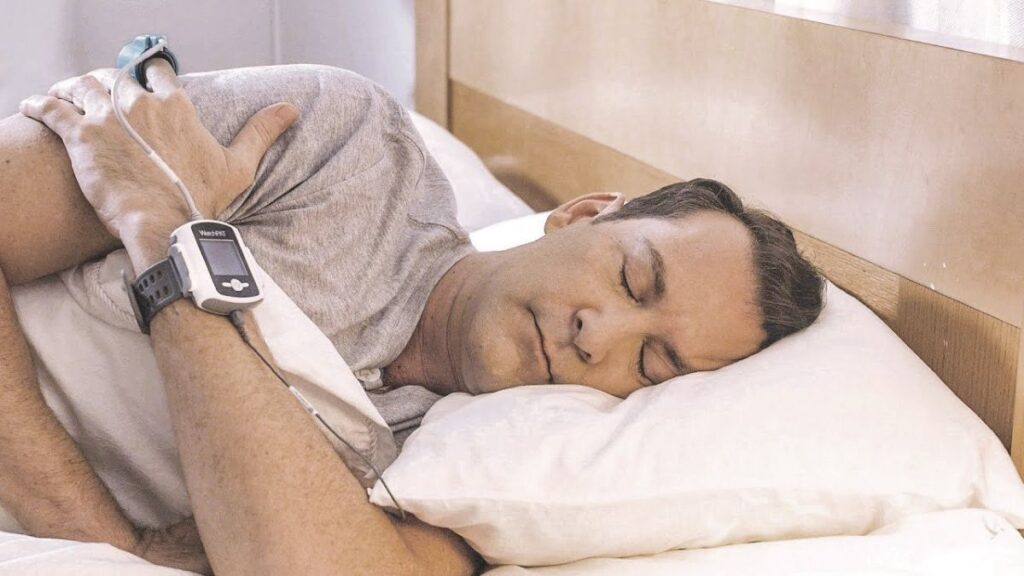
Sleep studies in Hobart are conducted in two primary settings: your own home or a specialized sleep laboratory. Home sleep study Hobart options utilize portable monitoring devices that patients wear overnight in their familiar sleeping environment, while in-lab polysomnography requires an overnight stay at a medical facility with comprehensive monitoring equipment.
The location directly impacts the Hobart sleep study cost structure. Home-based studies typically involve lower operational expenses since they eliminate facility overhead, staffing costs, and accommodation requirements. Accredited clinics provide patients with compact, user-friendly devices that record essential sleep metrics without requiring technician supervision throughout the night.
Home Sleep Studies: Accessible and Cost-Effective
Home sleep testing uses non-invasive monitoring equipment that patients collect from the clinic or receive via courier. These devices measure:
- Breathing patterns and airflow
- Blood oxygen saturation levels
- Heart rate variability
- Body position and movement
- Snoring intensity
Patients wear the equipment for one or two nights, then return it for data analysis. The simplified setup reduces costs while maintaining diagnostic accuracy for common conditions like obstructive sleep apnea. Most bulk-bill arrangements in Tasmania cover home sleep studies completely, leaving patients with zero out-of-pocket expenses when Medicare eligibility criteria are met.
In-Lab Polysomnography: Comprehensive Monitoring
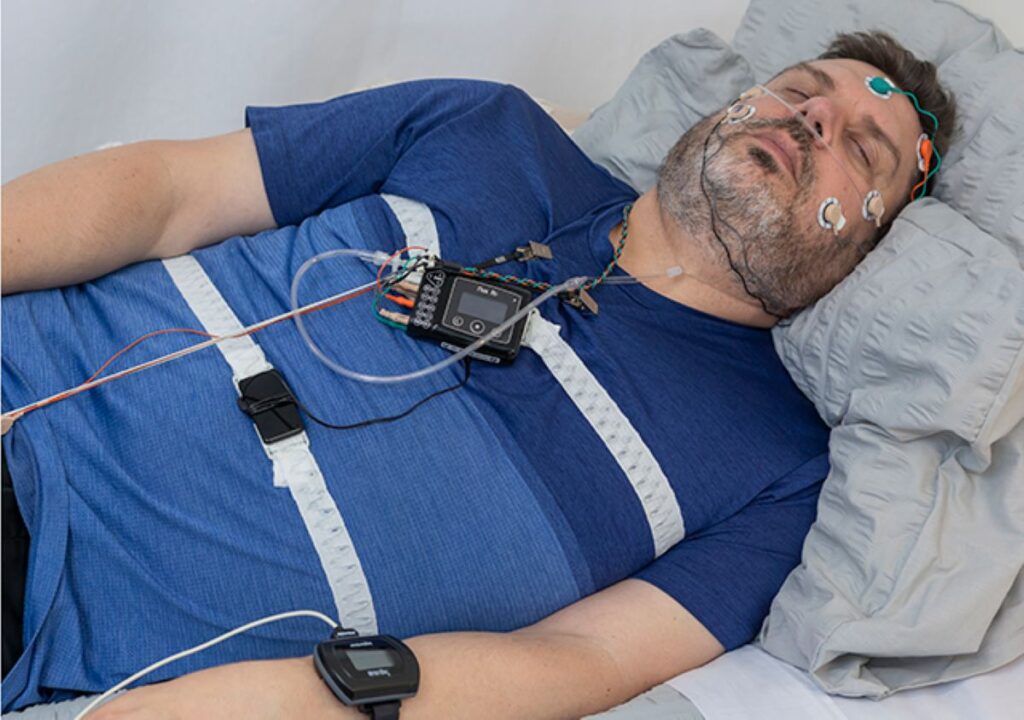
Laboratory-based sleep studies involve overnight stays at specialized facilities equipped with advanced monitoring technology. Sleep technicians attach multiple sensors to track:
- Brain wave activity (EEG)
- Eye movements (EOG)
- Muscle tone (EMG)
- Cardiac rhythm (ECG)
- Respiratory effort and airflow
- Oxygen levels
- Leg movements
This comprehensive approach captures detailed physiological data throughout the entire sleep cycle. Technicians observe patients in real-time, adjusting equipment and documenting behaviors that home devices cannot detect. The in-lab polysomnography cost reflects these additional resources, though bulk-billing arrangements still cover eligible patients when medical necessity is established.
Other Resources : Muscular dystrophy
What Conditions Are Commonly Diagnosed Through Sleep Studies in Hobart?
Sleep studies in Hobart primarily detect obstructive sleep apnea, restless leg syndrome, central sleep apnea, and various sleep-related breathing disorders. The diagnostic process captures comprehensive data on breathing patterns, oxygen levels, heart rate, and body movements throughout the night, allowing sleep physicians to identify specific conditions affecting sleep quality.
Obstructive Sleep Apnea
Obstructive sleep apnea represents the most frequently diagnosed condition, characterized by repeated episodes where the airway becomes partially or completely blocked during sleep. Patients experience breathing pauses lasting ten seconds or longer, often accompanied by loud snoring, gasping, or choking sounds. The condition affects people across all age groups, though risk factors include obesity, neck circumference, and anatomical features.
Central Sleep Apnea
Central sleep apnea differs from its obstructive counterpart as the brain temporarily fails to send proper signals to breathing muscles. This neurological condition requires different treatment approaches and often indicates underlying health issues requiring medical attention.
Restless Leg Syndrome
Restless leg syndrome testing identifies uncomfortable sensations in the legs that create an irresistible urge to move, particularly during rest or sleep. The condition disrupts sleep onset and maintenance, leading to chronic sleep deprivation. Diagnostic equipment captures leg movements and correlates them with sleep stage data to confirm the diagnosis.
Why Does Early Detection Matter?
Untreated sleep disorders trigger cascading health complications that extend far beyond daytime fatigue. Sleep apnea increases cardiovascular disease risk by placing repeated stress on the heart and blood vessels through oxygen deprivation cycles. Patients face elevated risks of:
- Hypertension and irregular heart rhythms
- Type 2 diabetes due to metabolic disruption
- Stroke from reduced oxygen supply to the brain
- Depression and anxiety disorders
- Cognitive impairment affecting memory and concentration
Chronic sleep disruption also compromises immune function, workplace performance, and driving safety. Studies show untreated sleep apnea patients experience motor vehicle accident rates comparable to drunk driving.
How Does Diagnosis Shape Treatment Plans?
Sleep physicians analyze study results to determine disorder severity using standardized metrics like the Apnea-Hypopnea Index (AHI), which counts breathing disruptions per hour.
How Does Medicare Support Reduce Financial Barriers for Tasmanian Residents?
Medicare’s direct billing system eliminates upfront costs for eligible Tasmanian residents seeking sleep studies. The Medicare billing process allows accredited sleep clinics in Hobart to submit claims directly to Medicare on behalf of patients, meaning no money changes hands between patient and provider.
The Direct Billing Mechanism
When a clinic processes a bulk-billed sleep study, they invoice Medicare directly using the patient’s Medicare card details. The government reimburses the clinic at the scheduled fee rate for the specific diagnostic service provided. This arrangement creates a seamless experience where patients receive professional sleep diagnostics without opening their wallets.
The system works because Medicare recognizes sleep studies as essential diagnostic procedures under the Medicare Benefits Schedule (MBS). Clinics that participate in bulk-billing agree to accept Medicare’s payment as full compensation for their services.
Zero Out-of-Pocket Expenses for Eligible Patients
Patients who meet eligibility criteria pay nothing for their sleep study. No out-of-pocket costs means:
- No consultation fees at the time of service
- No charges for monitoring equipment used during home studies
- No fees for data analysis and physician interpretation
- No costs for the comprehensive diagnostic report
This financial structure removes the common barrier that prevents many Australians from seeking necessary medical diagnostics. A sleep study that might otherwise cost several hundred dollars becomes completely accessible to those with valid Medicare coverage.
Eligibility Verification Ensures Affordable Access
Before scheduling a sleep study, clinics verify patient eligibility through a straightforward process. Staff members check three essential criteria:
- Valid Medicare card with current details
- GP referral confirming medical necessity
- Symptoms matching MBS diagnostic guidelines for sleep disorders
This verification happens during the initial booking conversation, typically over the phone. Clinic staff can confirm Medicare eligibility instantly using the patient’s card number and reference details. The GP referral must clearly document symptoms such as chronic snoring, witnessed breathing pauses, excessive daytime sleepiness, or other indicators of sleep-disordered breathing.
The MBS guidelines specify which conditions and symptom patterns qualify for bulk-billed studies. These guidelines protect the system from misuse while ensuring genuine medical needs receive coverage.
Can Private Health Insurance Help Cover Sleep Study or Treatment Costs?
Private health insurance coverage Tasmania typically doesn’t cover the initial diagnostic sleep study when bulk-billing through Medicare is available, but it plays a significant role in covering ongoing treatment costs after diagnosis. Most policies focus on post-diagnosis equipment and therapies rather than the diagnostic phase itself.
CPAP therapy reimbursement represents the primary area where private health insurance provides financial support for Tasmanian residents. Policies with extras or ancillary cover often include benefits for respiratory equipment, allowing patients to claim back a portion of their CPAP machine, mask, and accessory costs. The reimbursement amount varies depending on the level of cover, with basic extras typically offering $200-$400 annually while comprehensive policies may provide $800-$1,200 or more.
Private insurers in Tasmania commonly cover:
- CPAP machines and auto-adjusting devices
- Replacement masks and headgear
- Humidification chambers and filters
- Travel CPAP units for portability
- Ongoing consumables like tubing and cushions
The waiting periods for claiming these benefits typically range from 2-12 months depending on the policy, so patients should verify their coverage details before purchasing equipment. Some providers waive waiting periods for members upgrading from basic to higher-tier cover.
Understanding the Hobart Sleep Study Cost for Tasmanian Residents involves knowing that while Medicare handles diagnostic expenses through bulk-billing, private insurance becomes valuable for the treatment phase. Patients diagnosed with sleep apnea or other disorders often face ongoing equipment costs that can total $2,000-$3,000 in the first year, making insurance benefits particularly worthwhile.
Many Hobart sleep clinics maintain relationships with equipment suppliers who can process insurance claims directly, streamlining the reimbursement process. Patients receive invoices that meet health fund requirements, including detailed product descriptions and provider numbers. Some clinics offer gap payment arrangements where patients only pay the difference between the equipment cost and their insurance benefit.
Private health insurance also covers:
- Follow-up consultations with sleep specialists
- Mask fitting appointments
- Equipment adjustment services
- Replacement parts outside warranty periods
Patients should contact their health fund before purchasing treatment equipment to confirm specific coverage levels.
Understanding the Patient Journey: From Diagnosis to Treatment in Hobart
In Hobart, the patient journey is a well-defined process that starts with your general practitioner (GP) and ends with tailored treatment recommendations. This coordinated approach ensures a smooth transition from your first visit to diagnosis and implementation of treatment.
Step 1: Visit Your GP and Get a Referral
The first step in your journey is to talk to your GP about any sleep issues you’re experiencing. The GP will assess symptoms like persistent snoring, feeling tired during the day, someone witnessing your breathing stop while you sleep, or waking up with headaches. If the GP thinks you need further testing for a sleep disorder, they will give you a referral letter that confirms it’s medically necessary for Medicare coverage.
Step 2: Choose a Sleep Clinic and Book an Appointment
After getting the referral, you’ll need to reach out to an accredited sleep clinic in Hobart that offers bulk-billing services. The clinic staff will check if you’re eligible for Medicare and if they have received your referral documents. Based on your symptoms and medical history, they will inform you whether you’ll be monitored at home or need to undergo an overnight sleep study in their facility.
Step 3: Complete Your Sleep Study
If you’re doing a home study, a technician will bring the monitoring equipment to you and explain how to set it up. You’ll wear the device while sleeping in your own bed, which will record information about your breathing patterns, oxygen levels, and movements during sleep. For those who require an in-lab study, you’ll spend one night at the clinic where trained professionals will observe your sleep using advanced equipment.
Step 4: Analysis of Data and Review by Physician
Once the sleep studies are completed, sleep doctors will carefully examine the data collected from both home and in-lab assessments. They will look at factors such as breathing irregularities, different stages of sleep, and drops in oxygen levels. This analysis usually takes about one to two weeks depending on how busy the clinic is and how complicated each case is.
Step 5: Discussing Results with Your Doctor
After the analysis is done, you’ll have a meeting with either the sleep physician or your referring GP to go over the findings. During this consultation, you can expect to receive:
- An explanation of any specific sleep disorder diagnosed
- Information on how severe the condition is based on the Apnea-Hypopnea Index (AHI)
- Suggested treatment options available for you
- Recommendations for making lifestyle changes that can improve your sleep
- Details about any follow-up care that may be necessary
Local Support Services Available in Hobart
In addition to the above steps, there are also local support services in Hobart that can assist Tasmanian residents throughout their patient journey:
- CPAP equipment providers who offer trial periods and fitting services for those diagnosed with obstructive sleep apnea
- Respiratory therapists who provide ongoing training on how to use CPAP devices effectively
- Sleep disorder support groups where patients can connect with others facing similar challenges
Conclusion
Should you delay seeking help for suspected sleep issues? No—timely medical advice can prevent serious health complications and improve your quality of life significantly. If you’re experiencing symptoms like chronic snoring, daytime fatigue, or witnessed breathing pauses during sleep, booking an appointment with your GP should be your first step.
The availability of affordable sleep studies Hobart offers through bulk-billing removes the financial excuse many Tasmanians use to postpone diagnosis. When professional-grade diagnostics come without upfront costs for eligible patients, the barrier between you and better sleep health disappears.
What makes accessible healthcare Tasmania residents can rely on? The combination of Medicare-funded services, accredited local clinics, and transparent pricing structures creates a supportive environment for sleep disorder management. You don’t need private health insurance or substantial savings to access quality diagnostic services.
Consider these key takeaways:
- Medicare bulk-billing eliminates out-of-pocket expenses for eligible patients
- GP referrals open the door to comprehensive sleep assessments
- Home-based and in-lab options provide flexibility based on your clinical needs
- Local support services guide you from diagnosis through treatment implementation
The value proposition is clear: professional sleep physicians analyze your data, identify underlying conditions, and recommend evidence-based treatments—all accessible through public healthcare funding. Whether you’re dealing with obstructive sleep apnea, restless leg syndrome, or other sleep-related breathing disorders, early intervention prevents cardiovascular complications, metabolic issues, and mental health deterioration.
Demystifying the Hobart sleep study cost for Tasmanian residents reveals a healthcare system designed to prioritize your wellbeing over your wallet. Don’t let misconceptions about expense prevent you from seeking the diagnostic services you need. Contact your GP today to discuss your symptoms and obtain a referral to an accredited sleep clinic offering bulk-billed services.
Your path to restorative sleep and improved health begins with a single conversation—make that call.
More to Read : The Essential Guide to Booking a Sleep Study Sydney