
Introduction
For many Australians, glasses and contact lenses quietly shape daily life — from fumbling for frames on the bedside table to planning holidays around spare lenses and solutions. LASIK eye surgery offers something different: the chance to experience the world with clearer, unaided vision.
In 2026, LASIK is no longer just about “seeing better.” Thanks to advanced technology, personalised treatment planning, and safer recovery protocols, vision correction has become more precise, predictable, and lifestyle-focused than ever before. As an eye care professional, I often hear patients say the biggest surprise isn’t just sharper vision — it’s how profoundly their daily routine changes.
This article explores what life after LASIK truly looks like, how modern innovations are improving outcomes, and what you can realistically expect before, during, and after the procedure.
How LASIK Has Evolved: A Look at 2026 Advancements
LASIK today is worlds apart from the early procedures of the 1990s and early 2000s. The focus in 2026 is on customisation, safety, and long-term visual quality.
Smarter Diagnostics and AI-Guided Planning
Modern LASIK begins long before the laser touches the eye. Advanced diagnostic systems now create ultra-detailed 3D maps of the cornea, capturing subtle imperfections that older machines couldn’t detect.
In 2026, many clinics use AI-assisted planning software that:
- Analyses corneal shape, thickness, and biomechanics
- Predicts healing patterns based on patient data
- Customises laser treatment down to microns
This level of precision allows surgeons to tailor each procedure to the individual eye, rather than relying on standardised correction patterns.
Next-Generation Laser Technology
Laser systems have also improved significantly:
- Faster treatment times (often under 10 seconds per eye)
- Smoother corneal reshaping for better night vision
- Real-time eye tracking that adjusts for tiny eye movements
Compared to older LASIK technologies, modern lasers are gentler on the cornea and reduce the risk of side effects such as glare and halos.
How Clear Vision Changes Your Daily Routine
The most meaningful changes after LASIK often appear in everyday moments rather than dramatic milestones.
Mornings Without Glasses
One of the first things patients notice is waking up and seeing clearly straight away. There’s no reaching for glasses, no blurry bathroom mirror, and no dry lenses to insert before starting the day.
This simple shift can:
- Save time during busy mornings
- Reduce eye irritation
- Create a more relaxed start to the day
Work and Screen Time
Whether you work in an office, on-site, or from home, modern LASIK aims to support long hours of screen use. With better corneal smoothing and customised correction, many patients report:
- Reduced eye strain
- Improved focus during extended computer work
- Fewer headaches related to vision issues
That said, regular screen breaks and eye care habits remain important.
Exercise, Sports, and Outdoor Activities
For active Australians, LASIK can be life-changing. Activities such as swimming, surfing, running, and cycling become simpler without worrying about:
- Fogging glasses
- Losing contact lenses
- Wind or dust irritation
Modern LASIK has made post-surgery participation in sports safer and more predictable than in the past.
Vision Quality: What Patients Experience After Modern LASIK
Sharper Vision Beyond the Eye Chart
Older LASIK procedures focused mainly on achieving 20/20 vision. Today’s goal is functional visual quality, including:
- Better contrast sensitivity
- Improved low-light performance
- More natural depth perception
Many patients report vision that feels “crisper” than it ever did with glasses or contacts.
Night Vision Improvements
Night driving was once a common concern with LASIK. In 2026, advanced wavefront-guided and topography-guided treatments significantly reduce:
- Halos around lights
- Starbursts
- Glare in low-light conditions
While mild symptoms can still occur during early healing, long-term night vision outcomes are far better than older LASIK generations.
Recovery After LASIK: What the Process Looks Like Now
The First 24–48 Hours
Most patients notice improved vision within hours of surgery. However, the eyes need time to settle.
Common early sensations include:
- Mild dryness
- Grittiness
- Light sensitivity
These typically peak in the first day and ease quickly with prescribed drops.
The First Few Weeks
By one to two weeks, daily routines usually return to normal. Clinics in 2026 emphasise proactive dry eye management, which helps improve comfort and final visual clarity.
Patients are advised to:
- Use lubricating drops regularly
- Avoid eye rubbing
- Wear sunglasses outdoors
Long-Term Healing
Vision continues to stabilise over several months. Thanks to improved corneal preservation techniques, long-term dryness and regression are less common than in earlier LASIK eras.
Benefits of LASIK in 2026
Modern LASIK offers a wide range of benefits that extend beyond eyesight alone:
- Greater independence from glasses and contacts
- Improved convenience for work, travel, and exercise
- More predictable long-term results
- Enhanced visual comfort and clarity
For many patients, the emotional benefit — confidence and ease in daily life — is just as significant as the visual one.
Understanding the Risks and Limitations
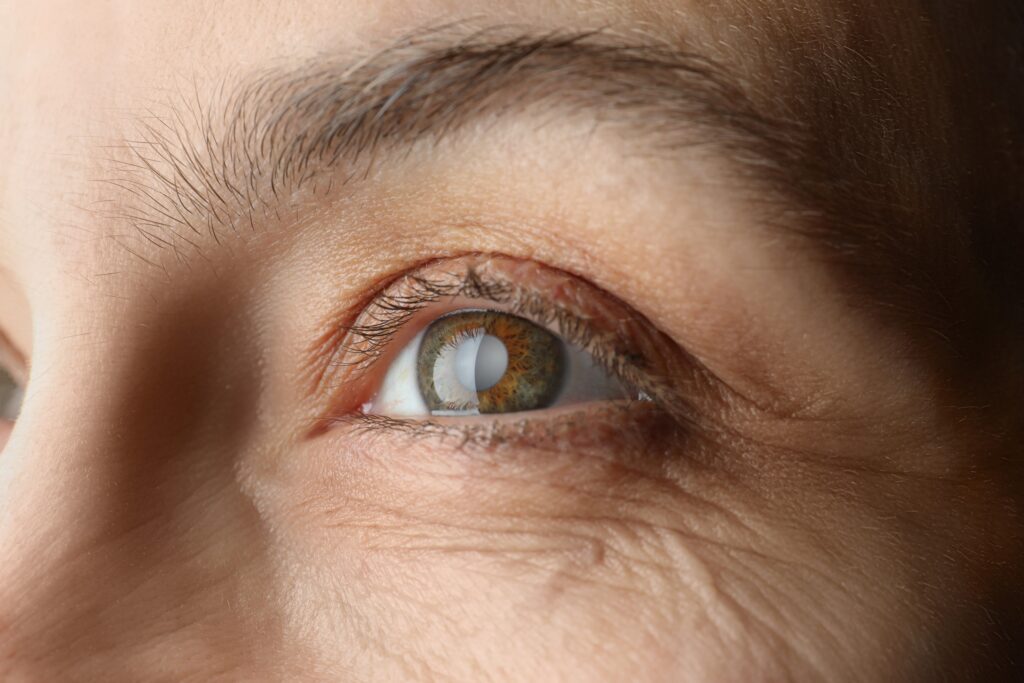
No surgical procedure is completely risk-free, and responsible clinics are transparent about this.
Potential risks include:
- Temporary dry eyes
- Mild visual disturbances during healing
- Under- or over-correction (now far less common)
Advancements in screening mean that unsuitable candidates are identified early. In 2026, careful patient selection is one of the biggest reasons LASIK outcomes continue to improve.
How Modern LASIK Compares to Older Technologies
Older LASIK (Pre-2010s)
- Limited corneal mapping
- Less precise laser tracking
- Higher rates of night vision issues
- Longer healing times
LASIK in 2026
- AI-guided personalised treatment
- Ultra-fast, accurate lasers
- Improved night vision outcomes
- Faster recovery and better comfort
These differences explain why patient satisfaction rates are now significantly higher than in earlier decades.
Real Patient Experiences: What People Say After LASIK
While every experience is unique, common reflections include:
- “I didn’t realise how much glasses affected my confidence.”
- “Travelling feels easier without lenses and solutions.”
- “I wish I’d done it earlier.”
Most patients emphasise that the biggest change wasn’t dramatic vision improvement — it was the freedom woven into everyday life.
Conclusion
Life after LASIK in 2026 is about more than correcting eyesight. It’s about simplifying routines, enhancing comfort, and experiencing the world with clarity that feels natural and effortless. Thanks to cutting-edge technology, personalised treatment, and improved recovery care, modern LASIK delivers safer, more reliable outcomes than ever before.
For those who are suitable candidates, LASIK can quietly but profoundly reshape daily life — one clear morning, confident drive, and spontaneous activity at a time.
FAQs
Is life after LASIK completely free from glasses?
Many patients enjoy long-term freedom from glasses for most daily activities. However, age-related changes such as presbyopia can still occur later in life. Modern LASIK corrects existing refractive errors, but it doesn’t stop the natural ageing of the eyes, which may eventually require reading glasses.
How soon can I return to work after LASIK?
Most people return to desk-based work within one to two days. Vision often improves quickly, but mild dryness or light sensitivity can occur initially. Clinics in 2026 provide tailored recovery plans to support screen use and eye comfort during the early healing phase.
Does modern LASIK last a lifetime?
For most patients, the correction itself is permanent. The cornea remains reshaped. However, natural eye changes over time, particularly after age 40, can affect near vision. Advances in screening and laser accuracy in 2026 have reduced the likelihood of needing enhancement procedures.
Is LASIK painful with today’s technology?
LASIK is generally painless. Numbing eye drops are used, and the procedure is very quick. Patients may feel mild pressure for a few seconds. Post-surgery discomfort is usually minimal and short-lived, especially compared to older LASIK methods.
How do I know if I’m a good candidate for LASIK?
A comprehensive eye assessment is essential. Factors such as corneal thickness, eye health, prescription stability, and lifestyle needs are considered. Modern diagnostic tools allow surgeons to identify suitable candidates with greater accuracy, improving safety and satisfaction rates.