
What is a Sleep Study and Why is it Important?
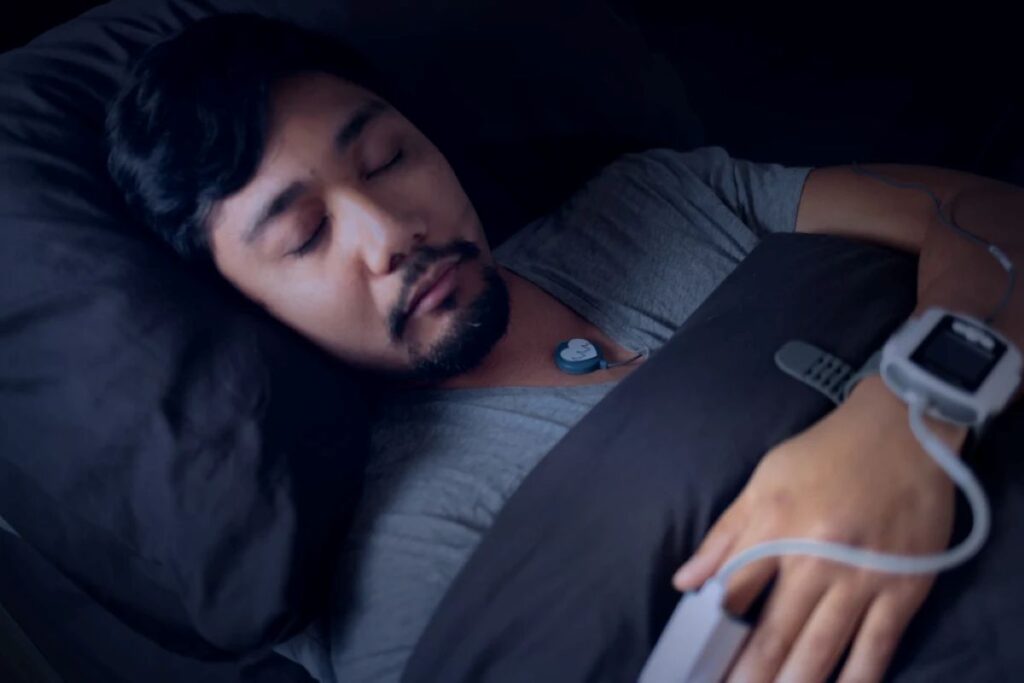
A sleep study is an overnight test that monitors your body’s functions while you sleep to diagnose sleep disorders. This test tracks various activities such as brain waves and breathing patterns, providing specialists with important information to identify conditions affecting your sleep quality and overall health.
The Role of Polysomnography in Diagnosing Sleep Disorders
Polysomnography is the most reliable method for diagnosing sleep disorders. During this test, medical professionals attach sensors to your body and head to record:
- Brain activity through electroencephalography (EEG)
- Eye movements and muscle activity
- Heart rate and rhythm
- Breathing patterns and oxygen levels
- Body position and movement throughout the night
How Sleep Studies Can Improve Your Wellbeing
Sleep studies in Sydney can detect various conditions that significantly impact your wellbeing. Obstructive sleep apnea ranks among the most commonly diagnosed disorders, occurring when throat muscles repeatedly relax and block your airway during sleep. This condition affects an estimated 5-10% of Australian adults and carries serious health implications.
The importance of accurate sleep disorders diagnosis extends far beyond feeling tired. Untreated sleep apnea increases your risk of:
- High blood pressure and heart disease
- Type 2 diabetes
- Stroke and irregular heartbeat
- Metabolic syndrome
- Liver problems
Sleep studies also identify other conditions including restless leg syndrome, narcolepsy, periodic limb movement disorder, and various parasomnias. Early detection through polysomnography allows specialists to develop targeted treatment plans before these disorders cause irreversible damage to your cardiovascular system or metabolic health.
The Benefits of Objective Data in Sleep Disorder Diagnosis
The comprehensive nature of a sleep study Sydney provides physicians with objective data rather than relying solely on patient-reported symptoms. This scientific approach ensures accurate diagnosis and appropriate treatment recommendations tailored to your specific condition.
Who Needs to Book a Sleep Study in Sydney?
A referral for sleep study typically comes from your general practitioner after discussing persistent sleep-related concerns. Your GP evaluates your symptoms and medical history to determine whether a comprehensive sleep assessment is warranted, then provides a referral to a sleep specialist Sydney for further investigation.
When Does Your GP Recommend a Sleep Study?
General practitioners look for specific patterns and symptoms that suggest underlying sleep disorders requiring professional diagnosis. The referral process begins when standard lifestyle modifications and basic interventions fail to resolve sleep complaints.
Common indicators prompting a GP referral include:
- Chronic loud snoring accompanied by witnessed breathing pauses during sleep
- Excessive daytime sleepiness that interferes with work, driving, or daily activities
- Morning headaches occurring three or more times per week
- Difficulty concentrating or memory problems linked to poor sleep quality
- Restless leg sensations that prevent sleep onset
- Unusual movements or behaviors during sleep reported by bed partners
What Symptoms Warrant Immediate Consultation?
Certain warning signs require prompt evaluation at specialized clinics like Sleep Solutions Sydney or the Woolcock Clinic. Patients experiencing breathing interruptions during sleep combined with high blood pressure should seek assessment quickly, as this combination increases cardiovascular risk significantly.
Critical symptoms requiring urgent attention:
- Gasping or choking sensations that wake you from sleep
- Severe daytime fatigue causing near-miss driving incidents
- Chest pain or irregular heartbeat during nighttime hours
- Falling asleep uncontrollably during conversations or meals
- Depression or mood changes worsening alongside sleep problems
Who Benefits Most from Sleep Study Assessment?
Individuals with specific risk factors often need sleep studies even without obvious symptoms. People with a body mass index above 30, neck circumference exceeding 17 inches for men or 16 inches for women, and those with family histories of sleep apnea face higher disorder risks.
Shift workers experiencing chronic fatigue, patients with treatment-resistant hypertension, and individuals with type 2 diabetes should discuss sleep study options with their healthcare providers. These populations frequently have undiagnosed sleep disorders contributing to their health challenges.
How Do Sleep Specialists Differ from General Practitioners?
How Can Patients Book a Sleep Study in Sydney?
Booking a sleep study in Sydney starts with obtaining a referral from your general practitioner or sleep specialist. This referral is crucial as it allows you to access specialized services. Once you have this referral, you can contact a sleep clinic directly to schedule your appointment. Most facilities offer online booking systems, phone consultations, or email inquiries to streamline the process.
What Steps Should You Follow to Book Your Appointment?
The booking sleep study Sydney process typically follows this sequence:
- Obtain a referral from your GP or sleep specialist after discussing your symptoms
- Research and select a sleep clinic that suits your location, budget, and specific needs
- Contact the clinic via phone, email, or online booking portal
- Provide your referral details and Medicare information if seeking bulk billing
- Schedule your initial consultation with a sleep specialist
- Book the actual sleep study date, which may be the same night as your consultation or scheduled separately
- Receive pre-study instructions regarding preparation requirements
Many clinics allow you to complete intake forms online before your first visit, saving time during your appointment. The entire booking process from initial contact to scheduled study typically takes between one to three weeks, though urgent cases may be accommodated sooner.
Which Sydney Clinics Offer Sleep Study Services?
Here are some clinics in Sydney that offer sleep study services:
- Woolcock Clinic: operates multiple locations across Sydney, including Glebe, Randwick, and Macquarie Park. They provide comprehensive diagnostic services with both in-clinic and home-based options, accepting bulk billing for eligible Medicare cardholders with valid referrals.
- Sleep Solutions Sydney: specializes in personalized sleep assessments with clinics in convenient metropolitan locations. Their services include same-day consultations in some cases and flexible appointment scheduling to accommodate working professionals.
- Sydney Sleep Centre: offers state-of-the-art facilities in the CBD and surrounding suburbs, providing both diagnostic testing and ongoing treatment support. They maintain extended hours for consultations and accept most private health insurance plans.
- ResMed Sleep Clinic: combines diagnostic services with direct access to treatment equipment and supplies. Their integrated approach means patients can transition seamlessly from diagnosis to therapy without changing providers.
What Are the Different Types of Sleep Studies Available?
Sydney clinics offer two main types of polysomnography: in-clinic overnight studies and home-based sleep study Sydney options. Both methods record important information about your sleep patterns, breathing, and heart activity, but they differ in where the monitoring takes place.
In-Clinic Sleep Study
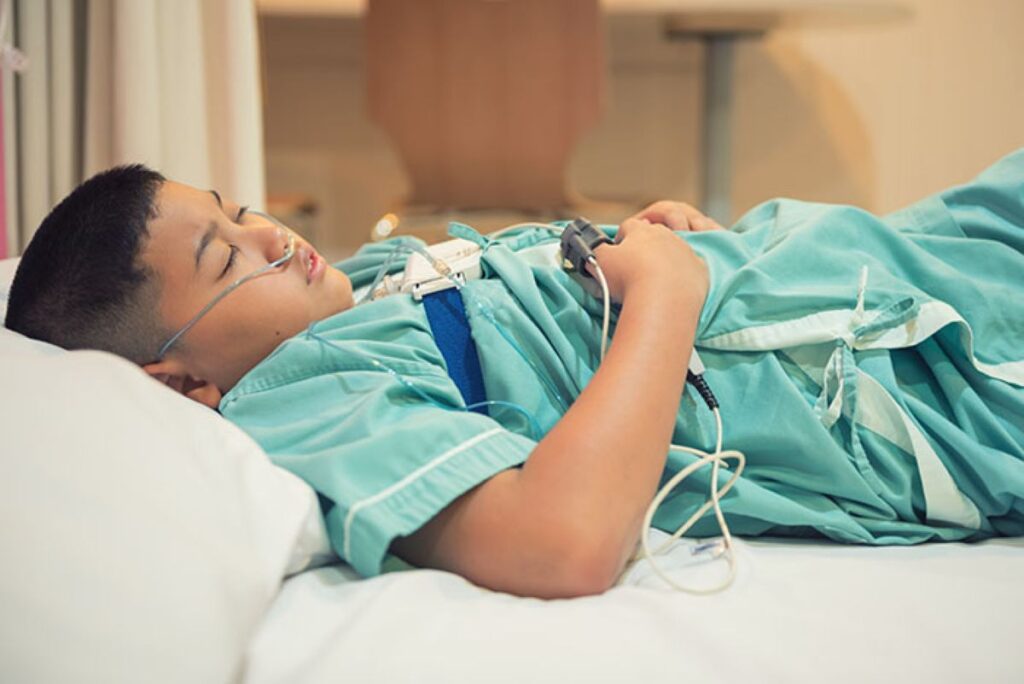
An in-clinic sleep study requires you to spend the night at a specialized sleep center where trained technicians monitor your sleep in real-time. Sensors are attached to your scalp, face, chest, and limbs to track brain waves, eye movements, muscle activity, heart rhythm, breathing patterns, and oxygen levels throughout the night.
Advantages of in-clinic monitoring:
- Immediate technical support if sensors become dislodged during sleep
- Continuous observation by qualified sleep technicians
- Comprehensive data collection with video recording capabilities
- Ability to capture complex sleep disorders requiring detailed analysis
- Direct intervention possible if severe breathing events occur
Limitations to consider:
- Sleeping in an unfamiliar environment may affect natural sleep patterns
- Less convenient for patients with mobility issues or anxiety about medical settings
- Requires travel to and from the clinic
- May feel less comfortable than sleeping at home
Home-Based Sleep Study Sydney
Home-based studies allow you to sleep in your own bed while wearing portable monitoring equipment. You visit the clinic to have sensors attached by a technician, receive instructions on the equipment, then return home to sleep normally. The next morning, you return the device to the clinic for data analysis.
Benefits of home testing:
- Sleep in your familiar environment with your regular bedding and routine
- More convenient for those with work or family commitments
- Often less expensive than in-clinic studies
- Reduced anxiety for patients uncomfortable in clinical settings
- Suitable for detecting common conditions like obstructive sleep apnea
Potential drawbacks:
- No technician available to adjust equipment if problems arise overnight
- Risk of incomplete data if sensors detach during sleep
- Limited monitoring parameters compared to full polysomnography
- May require repeat testing if initial results are inconclusive
- Not appropriate for complex sleep disorders requiring comprehensive monitoring
Which Type Suits Your Needs?
Your sleep specialist will recommend the appropriate study type based on your symptoms, medical history, and suspected condition.
How Should Patients Prepare for Their Sleep Study?
Proper preparation significantly impacts the quality of data collected during your sleep study. Most clinics provide specific pre-study instructions designed to ensure accurate readings from the monitoring equipment and a comfortable experience for patients.
Personal Grooming Requirements
Clean, dry hair is essential for optimal sensor attachment during overnight monitoring preparation. Avoid using hair products like gels, sprays, oils, or conditioners on the day of your study, as these substances interfere with electrode adhesion and can compromise data quality. Washing your hair with regular shampoo and allowing it to dry naturally provides the best foundation for sensor placement.
In addition to hair care, it’s crucial to remove all nail polish and artificial nails before your appointment. Pulse oximeters, which measure oxygen levels through your fingernails, cannot function properly through polish or acrylics. This includes gel polish, regular lacquer, and any nail enhancements on both fingers and toes. For those who may find it challenging to remove artificial nails or polish themselves, seeking professional help for nail removal might be a viable option.
Medication and Substance Guidelines
Continue taking your regular prescribed medications unless your sleep specialist instructs otherwise. Bring a complete list of current medications, including dosages and timing, to share with the sleep technician. Avoid caffeine after 2 PM on the day of your study, as stimulants can alter natural sleep patterns and affect test results.
Alcohol consumption should be avoided for at least 24 hours before your sleep study. While alcohol may initially induce drowsiness, it disrupts sleep architecture and breathing patterns, potentially masking or exaggerating symptoms the study aims to diagnose.
What to Pack for In-Clinic Studies
Preparing for sleep study appointments requires bringing items that support your normal bedtime routine:
- Comfortable sleepwear with a loose-fitting top that buttons or zips in the front (easier for sensor attachment)
- Personal toiletries including toothbrush, toothpaste, and face wash
- Any items from your regular bedtime routine such as a book, tablet, or white noise device
- Comfortable clothing for the morning after your study
- Required medications in their original containers
- CPAP equipment if you’re already using one and instructed to bring it
Most clinics provide pillows, blankets, and basic amenities, but bringing your own can enhance comfort.
What Happens During and After the Sleep Study?
What occurs during overnight monitoring Sydney sessions?
The sleep study procedure begins when you arrive at the clinic or settle into your prepared home environment for the evening. A trained sleep technician attaches multiple sensors to specific locations on your body and head using medical-grade adhesive. These sensors include electrodes placed on your scalp to measure brain waves, monitors on your chest to track heart rhythm, bands around your chest and abdomen to assess breathing effort, and a small clip on your finger to measure oxygen levels.
The sensor placement typically takes 30-45 minutes to complete. Technicians position nasal cannulas near your nostrils to detect airflow and place additional sensors near your chin and legs to monitor muscle activity. Despite the array of equipment, most patients find they can move comfortably and sleep in their preferred position once everything is connected.
How does data collection work throughout the night?
The sensors continuously transmit information to recording equipment throughout your sleep period. Brain activity electrodes capture electrical signals that identify different sleep stages, from light sleep through deep sleep and REM cycles. Respiratory monitors track every breath, detecting pauses, shallow breathing, or irregular patterns that might indicate sleep apnea.
Heart rate monitors record your cardiac rhythm and any variations that occur during sleep events. Oxygen saturation sensors provide real-time data on blood oxygen levels, which can drop significantly during breathing interruptions. Leg sensors detect periodic limb movements that might fragment your sleep quality. This comprehensive data collection creates a detailed picture of your physiological responses during overnight monitoring Sydney facilities conduct routinely.
What happens when you wake up?
The technician removes all sensors in the morning, a quick process that typically takes 10-15 minutes. Your skin may show temporary marks from the adhesive, which fade within hours. You can leave immediately after sensor removal and return to your normal daily activities without restrictions.
How are post-study results analyzed?
Sleep specialists review the recorded data in detail, examining hundreds of data points collected throughout the night. They analyze sleep architecture to determine how much time you spent in each sleep stage and whether your sleep cycles progressed normally. Respiratory events are counted and categorized by type and severity, with particular attention to apnea episodes (complete breathing stops) and hypopnea events (partial breathing
What Treatment Options Follow a Sleep Study Diagnosis?
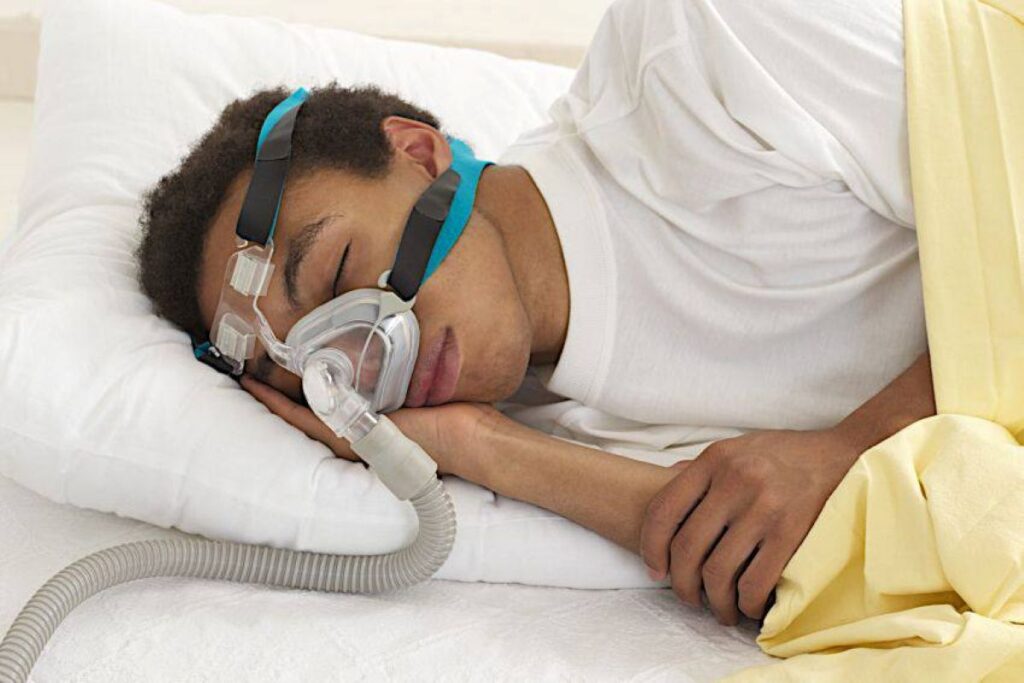
CPAP therapy Sydney is the most commonly prescribed treatment for obstructive sleep apnea after a positive sleep study diagnosis. Continuous Positive Airway Pressure machines deliver pressurized air through a mask worn during sleep, keeping airways open and preventing breathing interruptions throughout the night.
Sleep specialists customize CPAP settings based on specific data from your polysomnography results. The pressure levels, mask type, and machine features are selected according to the severity of your sleep apnea, facial structure, and breathing patterns recorded during your study.
What Alternative Treatments Are Available Besides CPAP?
Oral appliances for sleep apnea provide an effective option for patients with mild to moderate obstructive sleep apnea or those who cannot tolerate CPAP machines. These custom-fitted dental devices reposition the lower jaw and tongue to maintain an open airway during sleep.
Mandibular advancement devices work by moving the jaw forward slightly, preventing the tongue and soft tissues from collapsing into the airway. Sleep dentists work closely with sleep physicians to ensure proper fitting and effectiveness through follow-up sleep studies.
How Do Specialists Create Personalized Treatment Plans?
Treatment plans for sleep disorders depend entirely on your specific diagnosis, severity level, and individual circumstances revealed in your sleep study report. A patient with severe sleep apnea accompanied by low oxygen levels receives different recommendations than someone with positional sleep apnea.
Your sleep specialist considers multiple factors when designing your treatment approach:
- Apnea-Hypopnea Index (AHI) score from your sleep study
- Oxygen saturation levels during sleep
- Body position effects on breathing
- Presence of other medical conditions
- Personal preferences and lifestyle factors
- Previous treatment attempts and outcomes
Read more about Insomnia – causes, symptoms and different types.
What Complementary Therapies Support Primary Treatment?
Lifestyle modifications often accompany device-based treatments to maximize effectiveness. Weight loss programs benefit many sleep apnea patients, as excess weight contributes significantly to airway obstruction. Position therapy helps patients who experience worse symptoms while sleeping on their backs.
Surgery becomes an option when anatomical issues like enlarged tonsils, deviated septum, or excess throat tissue contribute to sleep apnea. Procedures range from minimally invasive techniques such as uvulopalatopharyngoplasty (UPPP) to more complex surgeries like maxillomandibular advancement (MMA).
Where Are the Best Places to Book a Sleep Study in Sydney?
Sydney has several specialized facilities with advanced diagnostic technology and experienced sleep medicine professionals. The best sleep clinics Sydney offers include the Woolcock Clinic, Sleep Solutions Sydney, and various hospital-based sleep centers that provide comprehensive assessment and treatment pathways.
1. Woolcock Clinic
Woolcock Clinic is one of Australia’s leading respiratory and sleep research institutes, combining clinical care with cutting-edge research. It is located in Glebe and offers both in-laboratory polysomnography and home sleep testing options. Their multidisciplinary team includes respiratory physicians, sleep specialists, and allied health professionals who work collaboratively on complex cases. The clinic accepts referrals for bulk-billed sleep studies for eligible Medicare patients, making specialized care accessible to a broader population.
2. Sleep Solutions Sydney
Sleep Solutions Sydney operates multiple locations across the metropolitan area, providing convenient access for patients in different suburbs. Their services span from initial consultations through to ongoing treatment management. The clinic specializes in both diagnostic sleep studies and CPAP therapy support, with dedicated staff available to help patients adjust to treatment devices. They offer flexible appointment scheduling, including evening consultations to accommodate working patients.
Key Differences Between Major Sydney Sleep Centers
| Feature | Woolcock Clinic | Sleep Solutions Sydney |
| Research-backed clinical protocols | ✔️ | |
| Access to clinical trials for eligible patients | ✔️ | |
| Specialized pediatric sleep services | ✔️ | |
| On-site CPAP equipment fitting and training | ✔️ | |
| Bulk billing for referred patients with Medicare eligibility | ✔️ | |
| Multiple suburban locations for easier access | ✔️ | |
| Extended operating hours including weekends | ✔️ | |
| Streamlined booking process with shorter wait times | ✔️ | |
| Comprehensive CPAP product range and ongoing support | ✔️ | |
| Home sleep study options with same-day sensor attachment | ✔️ |
Accessibility and Location Considerations
Geographic convenience plays a significant role in choosing where to book your sleep study. Patients in inner-city areas may find Woolcock Clinic’s Glebe location most accessible via public transport, with the clinic situated near bus routes and within walking distance from light rail stations. Those residing in outer suburbs benefit from Sleep Solutions Sydney’s distributed network of clinics in areas like Parramatta, Chatswood, and Liverpool.
Parking availability varies between facilities. Hospital-based sleep centers typically offer paid parking structures, while standalone clinics may have limited on-street parking options or nearby public parking facilities.
See Also : Demystifying the Hobart Sleep Study Cost for Tasmanian Residents
How Does Booking a Sleep Study Benefit Long-Term Health?
Early diagnosis through a sleep study can prevent serious health complications, particularly cardiovascular disease. Untreated sleep disorders like obstructive sleep apnea place significant strain on the heart and blood vessels, increasing risks of hypertension, stroke, heart attack, and irregular heart rhythms.
The benefits of sleep study diagnosis extend far beyond identifying breathing interruptions during sleep. When sleep disorders remain undiagnosed, they create a cascade of health problems that worsen over time. Chronic sleep deprivation affects metabolic function, immune response, and mental health, contributing to conditions like diabetes, obesity, depression, and cognitive decline.
What Health Risks Can Be Prevented?
Identifying sleep disorders early allows patients to begin treatment before complications develop. Research shows that managing sleep disorders Sydney through proper diagnosis and intervention can:
- Reduce blood pressure and cardiovascular strain
- Improve glucose metabolism and insulin sensitivity
- Enhance cognitive function and memory consolidation
- Decrease daytime fatigue and accident risk
- Strengthen immune system response
Patients who undergo sleep studies and follow recommended treatment plans experience measurable improvements in quality of life within weeks of starting therapy.
Why Should You Act on Sleep Symptoms?
Anyone experiencing persistent snoring, daytime exhaustion, morning headaches, or witnessed breathing pauses should seek professional evaluation. These symptoms often indicate underlying sleep disorders that won’t resolve without intervention.
Sydney offers exceptional access to sleep specialists, diagnostic facilities, and treatment options. The Essential Guide to Booking a Sleep Study Sydney emphasizes that waiting to address sleep concerns only allows health risks to compound. Many clinics provide bulk-billed services, removing financial barriers to diagnosis.
Sleep studies provide objective data that transforms vague symptoms into actionable medical information. This clarity enables specialists to design personalized treatment strategies targeting your specific condition, whether through CPAP therapy, oral appliances, lifestyle modifications, or other interventions.
How Does Treatment Transform Daily Life?
Effective management following diagnosis delivers benefits that ripple through every aspect of daily functioning. Patients report increased energy levels, improved mood stability, better concentration at work, and enhanced relationship quality. Partners often notice reduced snoring and more restful nights for the entire household.
The investment in a sleep study pays dividends through decades of improved health outcomes and enhanced well-being.